Reprogramming T Cells to Cure Cancer
We build new CAR-T cell therapies and take them from the lab to clinical trials
UCL Cancer Institute · London
Scroll
We build new CAR-T cell therapies and take them from the lab to clinical trials
UCL Cancer Institute · London
We design and build novel synthetic receptors, engineered proteins, and genetic circuits to reprogramme T cell function.
Our research spans target discovery, receptor engineering, preclinical validation, and translation into clinical trials.
Patients and the public are embedded in our research from the earliest stages, shaping our priorities and direction.
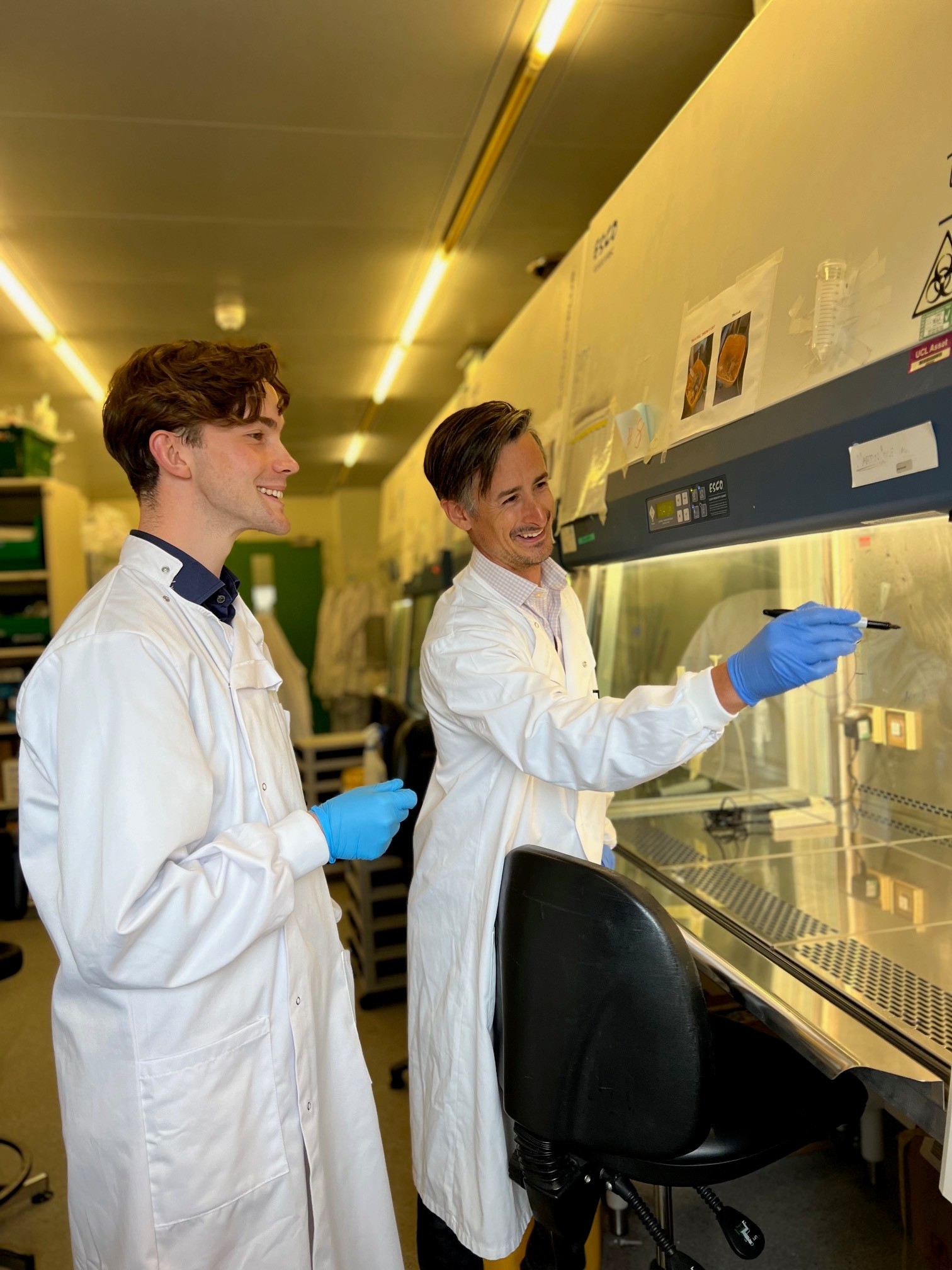
The Maciocia Lab is a translational immunotherapy research group focused on developing chimaeric antigen receptor (CAR) T cell therapies for cancers that remain difficult to treat.
CAR-T cell therapy has transformed outcomes for some patients with blood cancers, but major challenges remain. Many patients relapse because CAR-T cells lose function over time, and solid tumours create hostile environments that suppress T cell activity.
Our lab tackles these problems through creative receptor engineering, metabolic reprogramming, novel target discovery, and innovative approaches to generate off-the-shelf therapies.
Learn more about our research →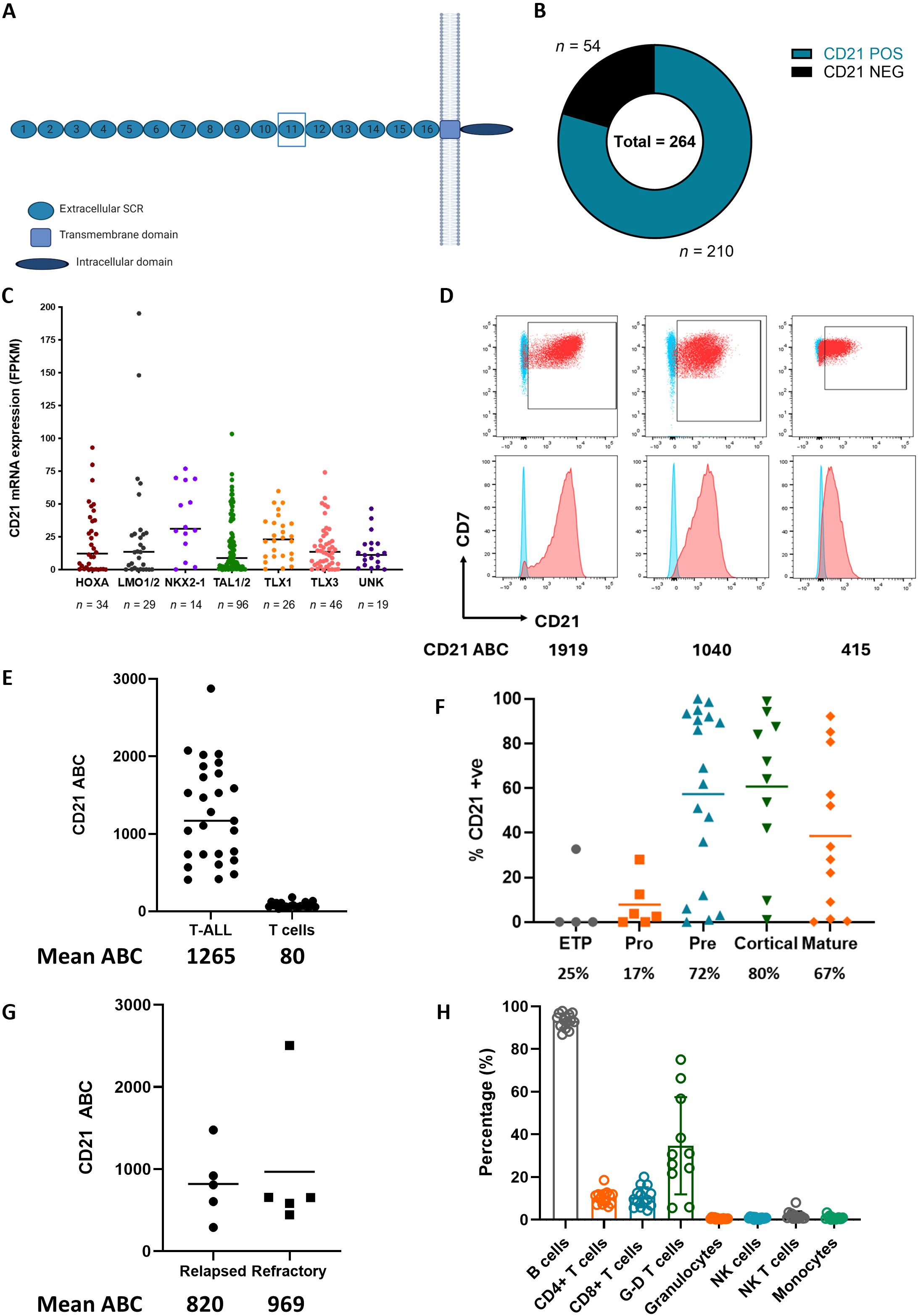
Developing CAR-T cells targeting CCR9, CD21, and novel antigens in T-ALL, with our FRACTALL trial now open to patients.
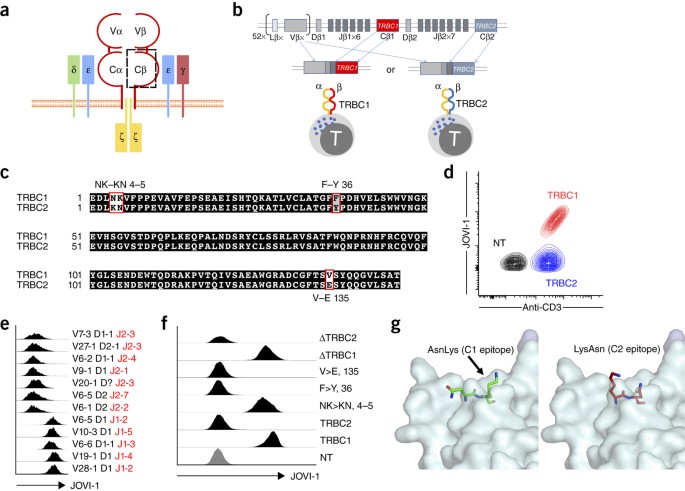
Our pioneering TRBC1/2 targeting is now in clinical trials. We are discovering new targets via proteomics and engineering approaches to prevent reverse kill.
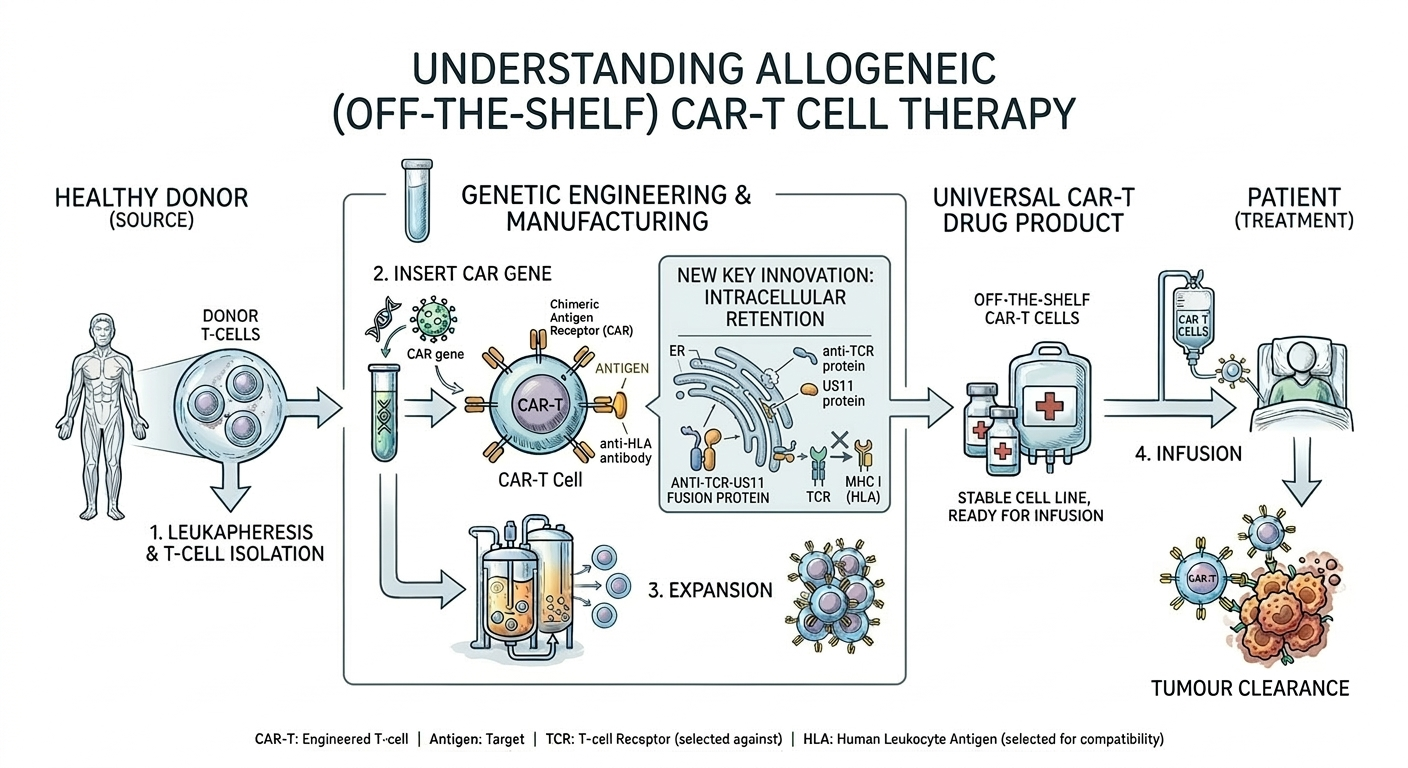
Off-the-shelf CAR-T products using protein-based immune evasion, T cell immortalisation, and the KCAT19 clinical trial of allogeneic CAR-T.
CRISPR screening, metabolic reprogramming, and preclinical mouse models to optimise CAR-T cells for B-ALL, myeloma, and beyond.
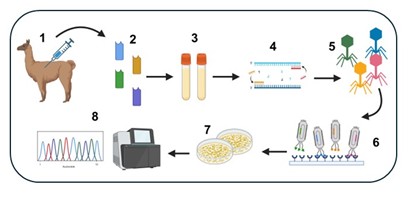
Computational design and phage display to develop VHH nanobody binders, combined with metabolic engineering for solid tumour CAR-T.
Our FRACTALL and KCAT19 trials are bringing lab-developed CAR-T therapies directly to patients with leukaemia and lymphoma.
Nature Medicine
Science Translational Medicine
Blood
Nature Medicine
Congratulations to Nicola Maciocia on a Wellcome Trust Fellowship to support her CAR-T work in T cell acute lymphoblastic leukaemia.
Huge news: long-term funding secured from Cancer Research UK to continue developing novel CAR-T cell therapies at UCL.
A landmark moment: our anti-CCR9 CAR-T trial for T-ALL has dosed its first patient at UCLH.
Nicola secures Blood Cancer UK and John Moulton Foundation funding to bring anti-CD21 CAR-T cells to patients with T-ALL.